music_note


Kenya’s 2029 World Athletics Championships: A Historic Win with Opportunities Beyond the Track


Wednesday, September 16, 2026 — Kenya’s selection as host of the 2029 World Athletics Championships is more than a sporting triumph. It is a historic moment for Kenya, a breakthrough for Africa and an opportunity to generate economic and social benefits across industries—from tourism and media to transport, technology and the creative economy.
World Athletics announced on September 15, 2026, that Nairobi had been selected ahead of competing bids from London, Rome and Munich. Munich will host the 2031 edition. The decision makes Kenya the first African country to host the senior World Athletics Championships since the competition began in 1983.
The championships will be staged at the Moi International Sports Centre, Kasarani, which is undergoing major renovations ahead of the 2027 Africa Cup of Nations. Kenya’s proposal combined the upgraded stadium with government guarantees, operational planning and the country’s deep connection to athletics. World Athletics described Nairobi’s bid as both compelling and emotionally powerful.
A homecoming for global athletics
For decades, African athletes have shaped the World Athletics Championships. They have won medals, broken records and created some of the competition’s most memorable moments. Yet the continent has never hosted the senior championships.
Nairobi 2029 changes that.
It brings one of the world’s biggest sporting events to a continent that has contributed enormously to its success. It also challenges the long-standing concentration of major international competitions in Europe, Asia and North America.
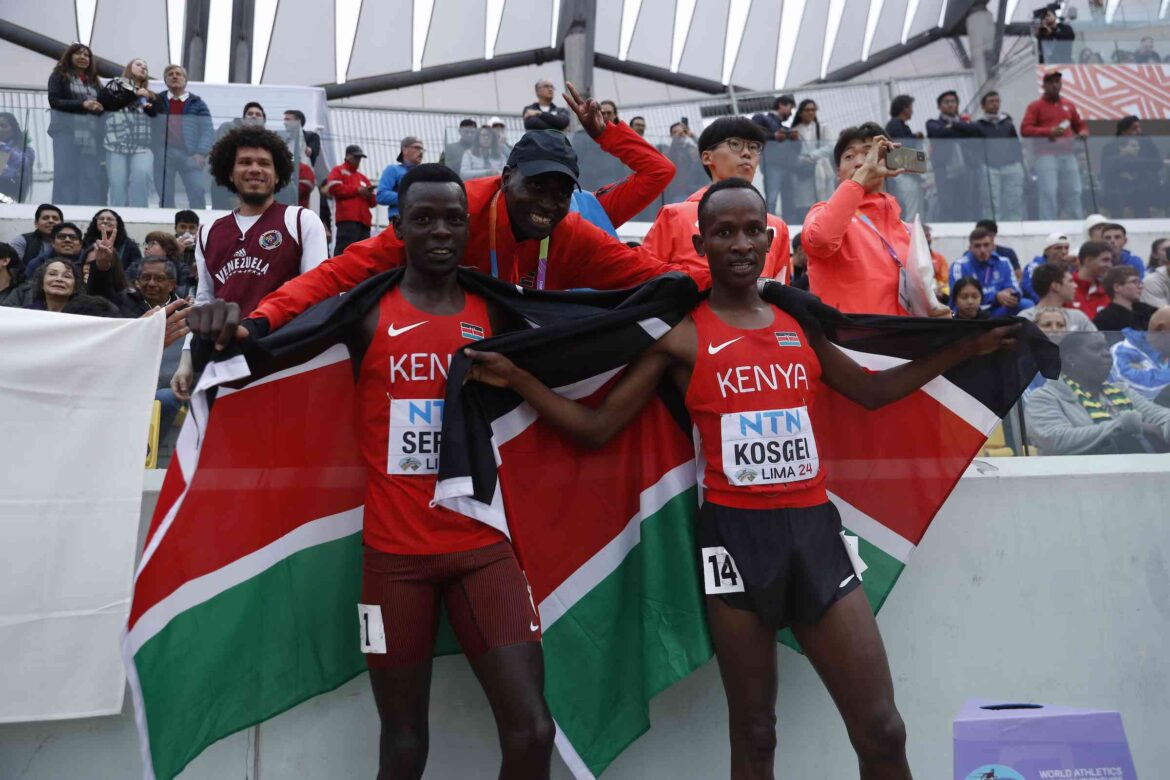
Kenya is particularly deserving of this milestone. Its athletes—including Kipchoge Keino, Paul Tergat, David Rudisha, Vivian Cheruiyot, Eliud Kipchoge, Faith Kipyegon, Hellen Obiri and Tegla Loroupe—have helped define global athletics across generations.
Kenya is the second-most-successful country in World Athletics Championships history. Research cited by World Athletics also found that 68 per cent of Kenyans surveyed expressed a high interest in athletics, compared with a global average of 39 per cent.
Hosting the championships therefore gives Kenyan supporters a rare opportunity to watch the world’s best athletes compete on home soil. More importantly, young athletes will see a global stage not as something that exists in distant cities, but as something that can be built and experienced at home.
Building Kenya’s sporting economy
The championships can strengthen the entire athletics ecosystem.
In addition to athletes and coaches, a global competition requires sports administrators, physiotherapists, nutritionists, medical personnel, analysts, anti-doping specialists, event managers and facility operators. Preparing for 2029 gives Kenya an opportunity to train more professionals in these areas and turn sport into a broader source of employment.
Local clubs, schools and training camps can also benefit from renewed investment. Interest generated by the championships could help revive school athletics, identify talent earlier and create clearer pathways from community competitions to elite performance.
Kenya can use the event to strengthen disciplines in which it has traditionally had less success, including sprints, jumps and throws. The ambition should not simply be to host the world, but to broaden Kenya’s own competitive strength.
The benefits could continue long after the final medal ceremony if upgraded facilities are maintained and made accessible to athletes and surrounding communities.
Tourism and hospitality
Thousands of athletes, officials, journalists, sponsors and spectators are expected to travel to Nairobi. This will create demand for accommodation, restaurants, conference facilities, transport, entertainment and other visitor services.
Kenya has an opportunity to package the championships as more than a stadium experience. Visitors could be encouraged to combine the event with trips to the Maasai Mara, Amboseli, the Coast, the Rift Valley and Kenya’s renowned high-altitude training destinations.
Sports tourism packages could include visits to Iten and Eldoret, community races, training experiences and encounters with Kenya’s athletics heritage. Done well, this could introduce the country to travellers who may not previously have considered Kenya as a destination.
It also creates opportunities for hotels, tour operators, airlines, restaurants, travel agencies and small businesses. Nairobi’s food, fashion, nightlife and cultural experiences can become part of the championships’ international identity.
Infrastructure and urban development
Major sporting events often accelerate infrastructure investment. With Nairobi preparing to host both the 2027 Africa Cup of Nations and the 2029 World Athletics Championships, attention will turn to roads, public transport, stadium access, security, internet connectivity, public spaces and accessibility for persons with disabilities.
These investments must be planned around long-term public value. Residents should continue benefiting from improved transport systems and public facilities after the championships end.
The real measure of success will not be whether Nairobi looks prepared during the event, but whether the investments leave the city more accessible, efficient and liveable.
Media, technology and the creative economy
For Kenya’s media industry, Nairobi 2029 presents an enormous content opportunity.
Broadcasters, digital publishers, podcasters, photographers and independent production companies will be needed to tell stories before, during and after the championships. These stories can go beyond results and medal tables to explore athletes’ journeys, Kenyan communities, sports science, fashion, food, tourism and culture.
There will also be demand for camera operators, editors, graphic designers, sound engineers, commentators, social media managers and multilingual content creators. Young creatives can contribute short-form video, documentaries, behind-the-scenes coverage and culturally relevant storytelling for both local and international audiences.
Technology companies can support ticketing, accreditation, transport management, cybersecurity, cashless payments, data analysis and fan-engagement platforms. Kenyan innovators should be included early enough to develop and test solutions rather than being invited only when procurement is almost complete.
The opening and closing ceremonies could also showcase Kenyan and African music, dance, fashion and visual art to a global audience. Nairobi 2029 should feel unmistakably African—not simply like an international competition placed inside an African stadium.
Opportunities for businesses and young people
Major events generate extensive supply chains. The championships will require catering, uniforms, signage, cleaning, logistics, temporary structures, merchandising, security and hospitality services.
A deliberate local procurement policy could ensure that Kenyan enterprises, including youth- and women-owned businesses, receive meaningful opportunities. Small businesses should be prepared through training, accessible tender information and realistic procurement requirements.
Young people could find work and training as volunteers, guides, production assistants, customer-service personnel, translators, hospitality workers and event coordinators. Volunteer programmes should be designed to provide recognised skills and career pathways rather than treating young people as a source of free labour.
A test of Kenya’s credibility
The opportunity also comes with serious responsibilities.
Kenya must demonstrate financial transparency, timely delivery and proper maintenance of facilities. Public investment should be protected from inflated costs and abandoned projects. Communities affected by construction and transport changes should be consulted.
The country must also confront its anti-doping challenges. Hosting the championships will place Kenya’s sports-governance and athlete-integrity systems under unprecedented international scrutiny. Strong testing, education, investigations and athlete-support systems will be essential.
Rather than avoiding this issue, Nairobi 2029 can become a deadline for decisive reform. Kenya must show that its global reputation will be built not only on medals, but also on integrity and athlete welfare.
Africa’s moment—and Kenya’s responsibility
Being the first African host gives Kenya a responsibility that extends beyond its borders.
The championships should include African professionals, businesses, artists and sporting institutions. Kenya can use the preparations to share knowledge across the continent, strengthen regional competitions and show that Africa can host global events to the highest standards while expressing its own identity.
Nairobi previously hosted the 2017 World Under-18 Championships and the 2021 World Under-20 Championships, building valuable experience and demonstrating strong public enthusiasm. The senior championships represent the next and most demanding step. The 2029 competition will be held in September, following the 2027 edition in Beijing.
Winning the right to host is only the beginning. The greater task is to translate that honour into jobs, stronger institutions, better infrastructure, expanded sporting opportunities and a lasting economic legacy.
If Kenya approaches 2029 as a national development project rather than simply a ten-day competition, the championships can become one of the most consequential events in the country’s recent history.
For Kenya, it is a homecoming. For Africa, it is a long-overdue first. For the world, it is recognition that the continent which has given athletics so many champions is ready to welcome athletics’ biggest championship home.

About Post Author