music_note


Ksh 15M Sneakers Seized — But Who Really Failed Shiquo?
10TH June 2026 | By Ronny Choge
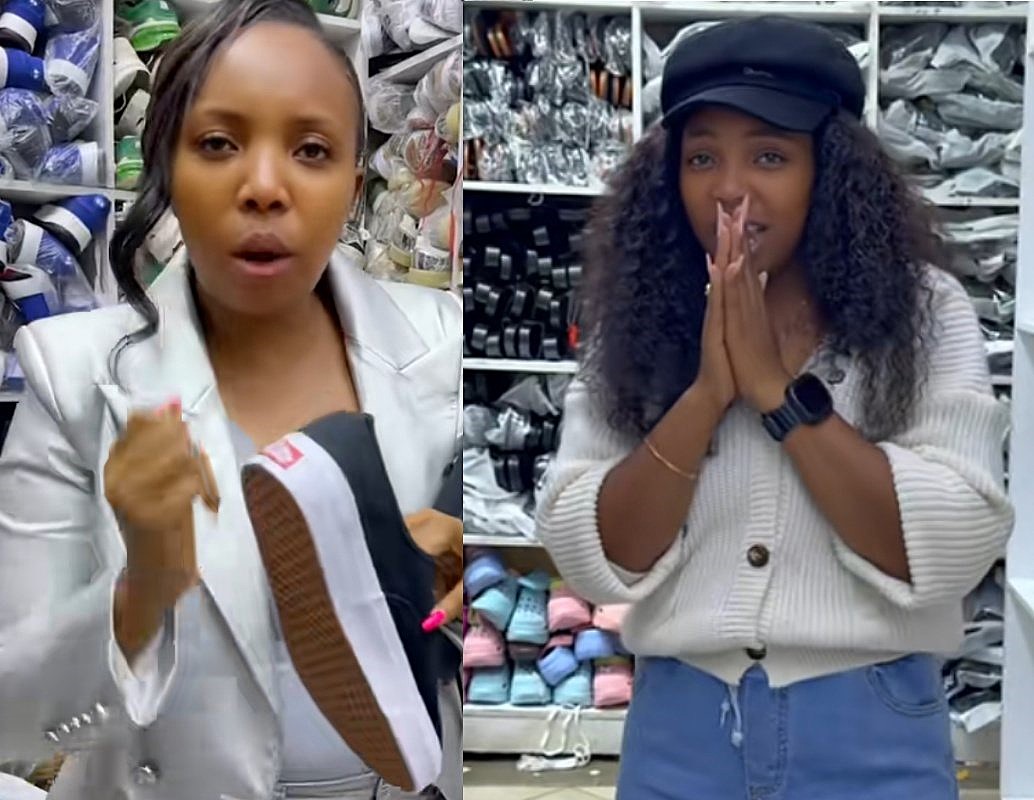
If you follow Kenyan TikTok, you already know Shiquo — the force behind hiiii_style sneakers by shiquo, one of the most recognisable sneaker businesses on the platform. This week, she found herself at the centre of a major story when Kenya’s Anti-Counterfeit Authority (ACA) raided one of her premises, seizing sneakers estimated at Ksh 15 million, flagged as counterfeit Nike and Adidas products.
The timing has not gone unnoticed. The raid comes barely after Nike and Adidas officially opened shop in Nairobi — leading many online to connect the dots and question whether the crackdown is less about protecting consumers and more about clearing the market for global giants now operating locally.
“Not many Kenyans can afford a Ksh 15,000 pair of Nike shoes. For most, the affordable alternative was the only option.”
— Online sentiment, Kenyan Twitter/X
Kenyans online have largely rallied behind Shiquo, condemning the seizure as yet another instance of authorities targeting micro, small, and medium enterprises (MSMEs) — the very businesses that keep the everyday economy running. The frustration is real: affordable sneaker culture has thrived in Kenya for years, serving a market that original branded products simply do not cater to price-wise.
The question nobody is asking loudly enough?
Here is where the story gets more uncomfortable. These products did not teleport into Shiquo’s stall. They were imported — and to be imported into Kenya, they had to pass through two of the country’s most powerful gatekeeping institutions: the Kenya Revenue Authority (KRA) and the Kenya Bureau of Standards (KEBS).
KRA cleared them at the border. KEBS okayed their standards. Duties were paid. Paperwork was stamped. The goods entered the country through the front door — legally, officially, by the book.
So the question begs itself: if these products were counterfeit, why is the ACA showing up at a retail stall in Nairobi — and not at the customs desk where the products were waved through in the first place?
A growing number of Kenyans are making exactly this point online. The argument is straightforward — the problem is not at the retail outlet, it is at the customs system that qualifies imported products. If counterfeit goods are entering the country unchecked, then the failure sits with the institutions mandated to stop them at the port of entry, not with the trader who bought, stocked, and sold them in good faith.
Holding a small business owner accountable for a systemic failure at the customs level is, at best, misplaced enforcement. At worst, it looks like the easiest target in a very long chain being made to carry the entire burden.
But if the ACA thought the raid would slow Shiquo down, they thought wrong. She has since restocked her stalls with non-issue brands and been straight back on TikTok, promoting her inventory to her thousands of loyal followers with the same unshakeable energy. Her resilience has only deepened public support.
The bigger conversation Kenya cannot afford to ignore is this — what does consumer protection actually look like in an economy where the formal retail price of a product is out of reach for the majority? And if the system itself let these goods in, who does a crackdown at street level really protect?
Nevertheless, Shiquo is not going anywhere. And the questions she has inadvertently raised about how Kenya’s import and enforcement systems talk to each other — or don’t — deserve a very serious answer.

About Post Author