music_note


Kenya’s Political Recycling Problem: Why the Same Faces Can’t Deliver a Different Future
By Ronny Choge
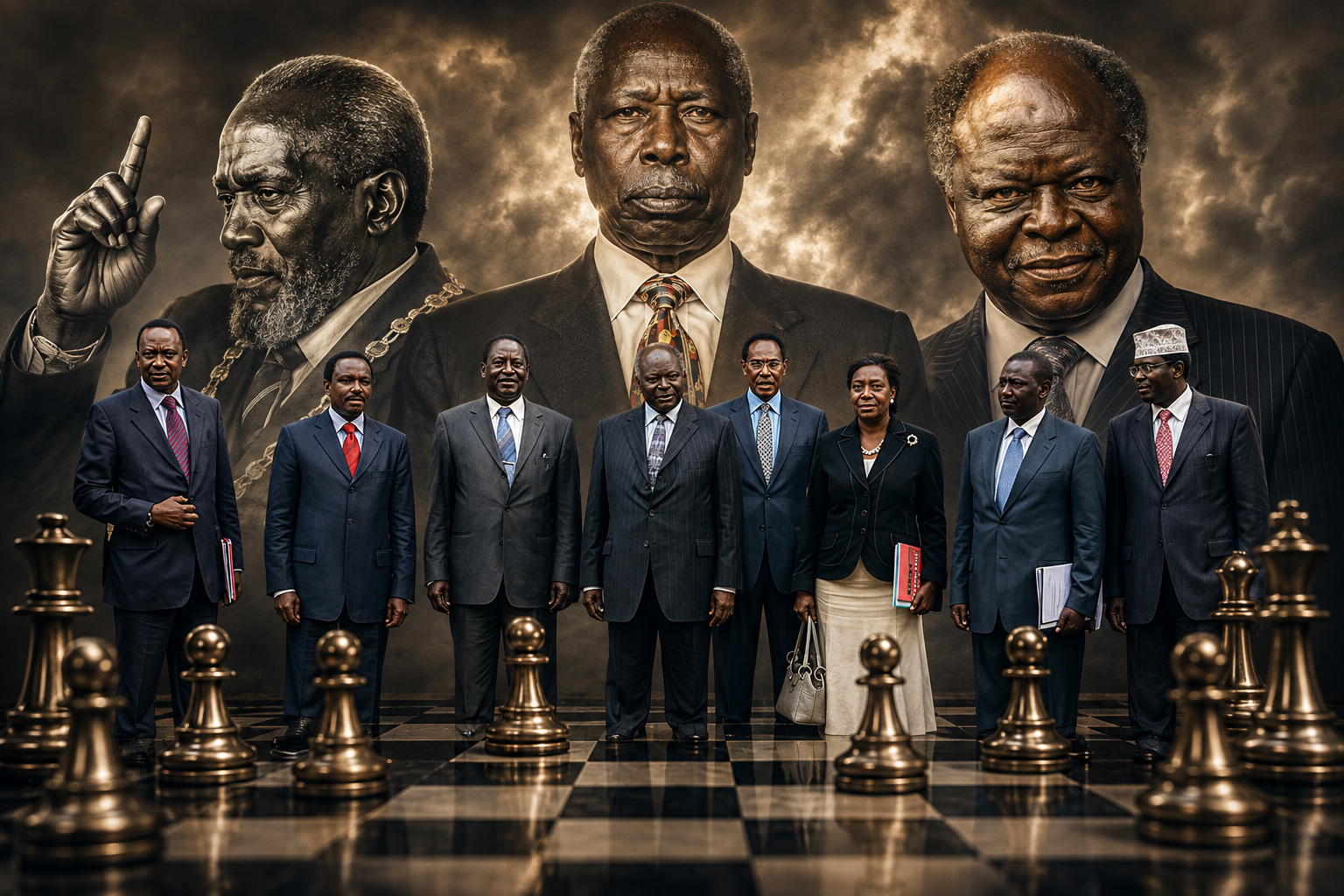
Kenya’s political dysfunction isn’t the product of any single bad leader. It’s structural. The same small circle of political figures has dominated the national stage for decades, and that continuity — not any one administration — is what keeps producing the same toxic patterns election after election.
Look at the current field of heavyweights: William Ruto, Kalonzo Musyoka, Musalia Mudavadi, Martha Karua, Rigathi Gachagua, Charity Ngilu, along with figures like Francis Atwoli and the Odinga political dynasty. Nearly every one of them came up through the Kenyatta, Moi, or Kibaki eras. They were shaped by the same political culture, learned the same tactics, and built their careers on the same playbook. Given that shared background, it’s worth asking honestly: how likely is it that any of them delivers something fundamentally different from the rest?
A System Built on Opposition, Not Vision
For decades, Kenyan politics has run on one core dynamic — whoever holds power becomes a lightning rod for resentment, and opposition organizes itself around rejecting that person rather than proposing something new. That’s a structural feature, not a partisan complaint; it holds true no matter who’s in office. The consequence is a political culture where energy that should go toward solving real problems instead gets funneled into polarizing narratives.
This is a model that has run its course. The names change, but the underlying architecture — patronage, coalition math, ethnic mobilization — doesn’t.
Vision 2060: The Pattern in Motion
This dynamic isn’t theoretical — it’s playing out right now. After Rigathi Gachagua’s Democracy for Citizens Party won a landslide victory in the Olkalou by-election, President Ruto responded by branding himself the “fundi wa siasa,” the political fixer, and soon after floated a sweeping new national plan: Vision 2060.
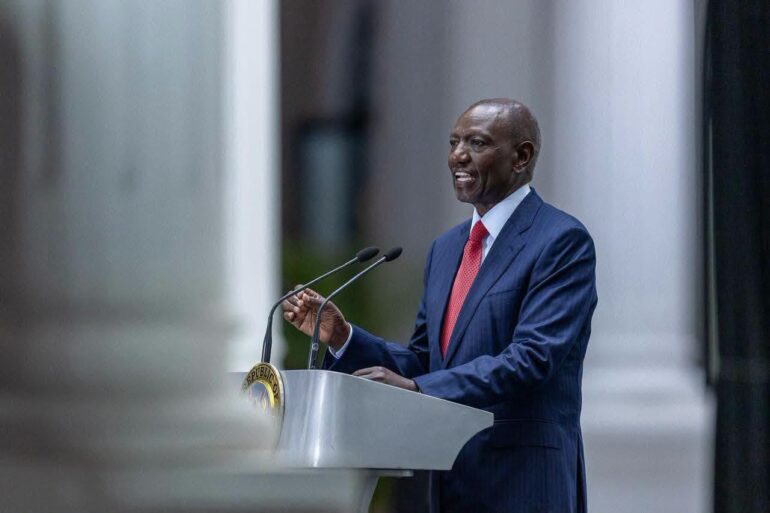
The timing is worth noting. A long-horizon national vision, introduced shortly after a significant electoral setback and well ahead of the 2027 campaign season, looks less like a governance blueprint and more like an attempt to seize control of the political narrative before rivals can define it themselves. That’s an interpretation, not a confirmed motive — but the sequence of events invites it.
And the likely opposition response follows a predictable script: rather than building a competing vision from scratch, opposition figures will probably spend their energy attacking Vision 2060’s credibility and motives. The substance of the idea becomes secondary to the fight over who controls the story.
The Real Cost: Ordinary Kenyans Get Sidelined
When politics becomes a contest over narrative ownership between recycled political elites, the everyday priorities of Kenyans — jobs, cost of living, healthcare, education, land, security — get pushed to the margins. Not erased outright, but treated as secondary to the more urgent business of winning the next election cycle.
Taken to its logical conclusion, if this is the only kind of politics on offer, an uncomfortable but consistent argument emerges: staying with the current administration for a second term might not be materially worse than switching to another product of the same political system. That’s not an endorsement — it’s a critique of the entire field, a recognition that swapping one legacy politician for another isn’t the same as reform.
Where the Real Hope Lies
This is what makes a figure like Edwin Sifuna significant heading into 2027 and beyond — not because any single politician is a cure-all, but because he represents something genuinely different in kind: a political career that didn’t come up through the traditional Kenyatta-Moi-Kibaki pipeline, and a communication style that resonates far more naturally with a generation that expects something different from its leaders.
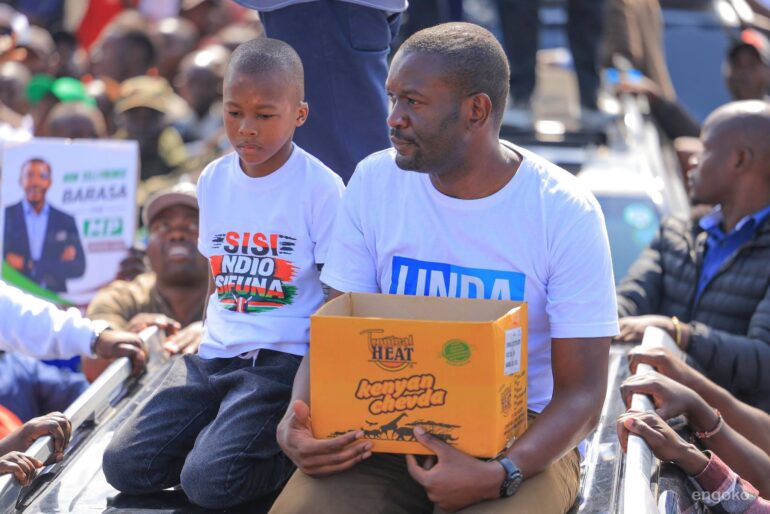
That advantage is fragile, though, and it’s most at risk in how he chooses his political alliances. If Sifuna aligns too closely or too uncritically with figures from the old political establishment, he risks undermining the very thing that sets him apart. Legacy politicians folding a rising figure into their coalitions isn’t necessarily a sign of shared values — it can just as easily be an attempt to borrow generational momentum for short-term political gain. Every alliance carries a cost against the image his younger supporters have placed on him.
A Generational Mismatch
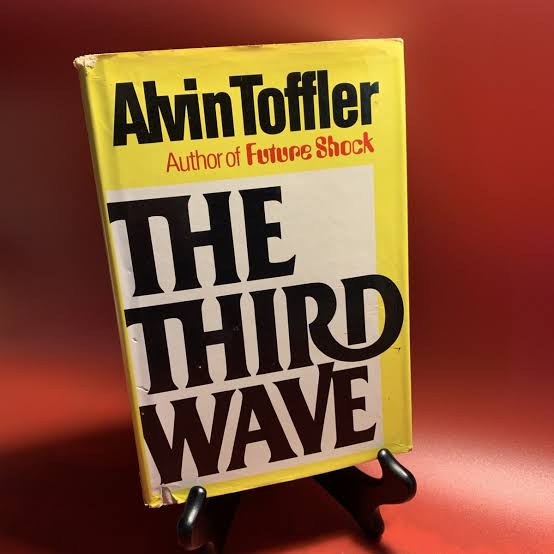
Futurist Alvin Toffler’s framework of societal “waves” offers a useful lens here. The Second Wave describes industrial-era society — centralized, hierarchical, built on mass institutions and top-down authority. The Third Wave describes the information age — decentralized, networked, and far less tolerant of top-down control.
Kenya’s political establishment, regardless of which individual holds power, still operates on Second Wave tools: patronage networks, ethnic bloc politics, and centralized narrative control. But the population it governs — increasingly young, connected, and digitally networked — is a Third Wave society. Governing a Third Wave electorate with Second Wave methods creates exactly the kind of friction and disconnect Kenyans are feeling today.
Not Decline — Selection Pressure
The discomfort of this political moment shouldn’t be read as decline. It’s closer to a system reaching the limits of what it can deliver, under pressure from a generation it was never designed to serve. People-centered, liberal leadership isn’t an idealistic ask — it’s simply the model built for the era Kenya is now entering. The old political establishment can be reshuffled and rebranded endlessly, but it remains built from the same material. What the country needs isn’t another leader cut from that cloth — it needs an entirely different starting point.

About Post Author