music_note


The Double Standards Kenyans Hold Against Artists Paid by Government Events
In Kenya, public sentiment towards the government is at an all-time low. Skyrocketing taxes, economic hardship, and frequent scandals have fueled an anti-government wave—especially among the youth. So when an artist performs at a state-sponsored event, the backlash is often swift, harsh, and deeply emotional. But this public outrage exposes a deeper contradiction in how we treat our creatives: we want them to thrive, but only on our terms.
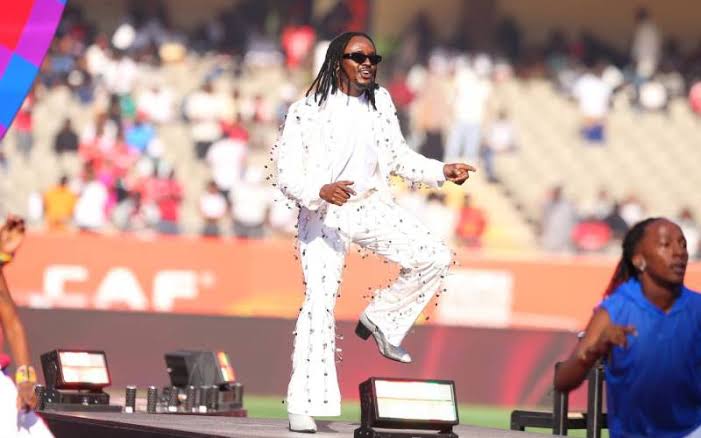
Recently, artists like Toxic Lyrikali and Dyana Cods took to the stage at the State House during government events, sparking outrage on social media. People questioned how they could “sell out” and perform for an administration many feel is disconnected from the struggles of ordinary Kenyans. Even Savara, one-fourth of the beloved boy band Sauti Sol, wasn’t spared criticism after his high-profile performance at the CHAN finals—another state-sponsored event.

But here lies the contradiction: these same fans demand better pay and opportunities for Kenyan artists. They want their music played, their concerts sold out, and their brands endorsed. Yet when these opportunities come—especially from state gigs—those same fans turn hostile.
This is a classic case of double standards. On one hand, we romanticize the idea of artists as revolutionaries, the voices of the people who should “resist” and not “eat with the oppressor.” On the other, we fail to create or support sustainable avenues for them to earn a living. The music industry in Kenya doesn’t offer nearly enough paying gigs to sustain the careers of most artists. So when the government—still the biggest client in town—offers a cheque, what should they do? Decline it to please the timeline?
It’s also worth noting that not every artist who performs at a government event is necessarily endorsing its politics. For many, it’s simply a job—one that allows them to pay bills, support their families, and keep making music.
Kenyans need to move beyond performative outrage and confront the structural realities that force artists into these positions. We can’t both demand creative excellence and punish those who accept the few paying gigs available—whether from the private sector or the state.
Until we build a stronger, more financially sustainable creative ecosystem, let’s check our double standards—and let artists eat.

About Post Author