music_note


Ol Kalou Has Spoken: What a By-Election in Nyandarua Just Told Kenya About 2027
By Ronny Choge
Last Thursday, 41,656 people out of 73,480 registered voters in Ol Kalou walked into 144 polling stations and did what by-elections rarely get credit for doing — they gave the whole country a preview of the road to 2027.
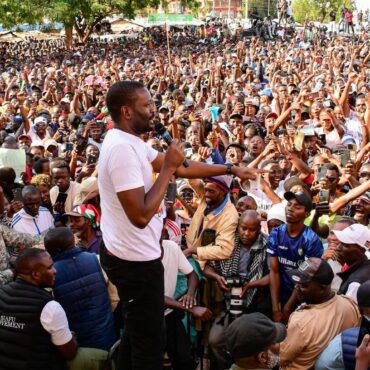
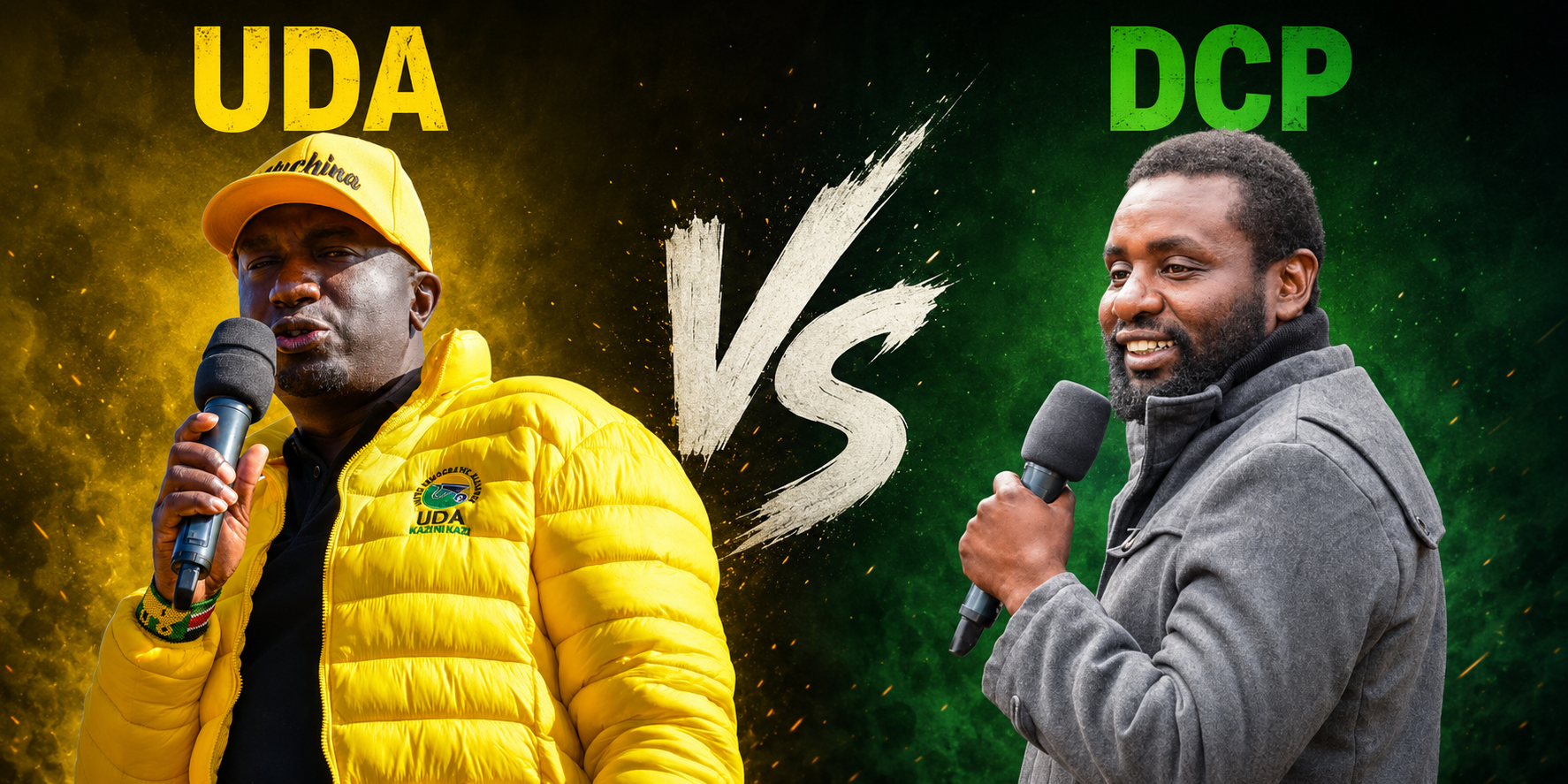
On paper, this was a simple mini-poll. A seat fell vacant after the death of MP David Kiaraho in March, and the constituency needed a new representative. In practice, nine candidates on the ballot dissolved into a two-man contest that everyone from Nairobi’s political class to the boda boda stage in Rurii understood as something bigger: a proxy fight between President William Ruto’s UDA and former Deputy President Rigathi Gachagua’s DCP.
By the time Returning Officer Antony Njiraine read out the numbers, there was no ambiguity left. Sammy Kamau Ngotho of DCP took the seat with 35,440 votes. UDA’s Samuel Muchina Nyagah managed 5,450. The rest of the field — Jubilee, PNU, NLP and four other parties — barely registered, with the third-placed candidate polling under 200 votes. This was not a narrow win decided by a few contested polling stations. It was a landslide, and landslides in Mt Kenya politics tend to get read as verdicts, not accidents.
What Actually Happened on the Ground
Strip away the national framing for a moment and look at what Ol Kalou residents lived through. Long queues formed early at Rurii Polytechnic and Huruma Primary School as biometric voter verification slowed the process down. Politicians from both camps campaigned hard in the weeks before, and allegations of cash handouts trailed both sides — the kind of grassroots detail that rarely makes the headline but shapes how ordinary voters experience an election. Turnout landed at 57 percent, respectable for a by-election but a reminder that nearly half the registered voters chose not to show up at all.
When Kamau was declared the winner, he struck a conciliatory tone rather than a triumphant one, extending what he called an olive branch to Nyagah and inviting continued engagement on ideas raised during the campaign. It’s the kind of gesture that plays well in a constituency that still has to live with itself long after the tallying centre empties out — a reminder that behind every “political test” headline is a community that simply wants representation that works.
Reading the Numbers Honestly
Here’s where the article has to resist the temptation every political commentator faces: turning a single constituency result into a national prophecy. Ol Kalou is one seat. Kenya has 290 more. But numbers this lopsided don’t happen by accident, and they don’t happen without a reason worth naming honestly for both sides.
For UDA, this was not a good outcome, and pretending otherwise would insult the intelligence of anyone who has followed Mt Kenya politics closely. The party invested visibly in Nyagah’s campaign and still lost by close to seven times the margin. It ends a stretch of relatively strong UDA showings in competitive by-elections and forces an uncomfortable question ahead of 2027: is the Mt Kenya voting bloc, once considered dependably aligned with the current administration, actually shifting — or was Ol Kalou simply a bad night in a single constituency? The honest answer is that nobody knows yet, and any UDA strategist claiming certainty either way is guessing.
For DCP and Gachagua, the temptation is the opposite one — to treat a single by-election as confirmation of a Mt Kenya realignment already complete. It isn’t. What Ol Kalou does confirm is momentum and organisational capacity: the ability to turn out votes, coordinate an effective ground game, and convert grievance politics into an actual electoral result. That matters heading into 2027, but converting one constituency into a regional mandate is a different, much harder project — and the real test will be whether that momentum survives contact with a full general election ballot, national coalition math, and whatever alliances form between now and then.
The Part That Matters Beyond the Scoreboard
What should stay with us isn’t just who won, but what the campaign revealed about the state of political competition itself — the cash handout allegations from both divides, the biometric delays that slowed ordinary citizens down before they’d even cast a vote, the fact that 43 percent of registered voters didn’t bother showing up at all. Those are not footnotes. They are the texture of Kenyan democracy at the constituency level, and they deserve as much attention as the tallying figures that dominate the headlines.
Ol Kalou has spoken. The question now is whether either political divide is genuinely listening to what was said, or simply hearing what it wants to hear ahead of 2027.
What do you think — was this a genuine shift in Mt Kenya’s political mood, or a single constituency being oversold as a national signal? Drop your take in the comment section.

About Post Author