music_note


ODM’s Internal Storm: Mbadi, the Odingas, and a Party Searching for Direction
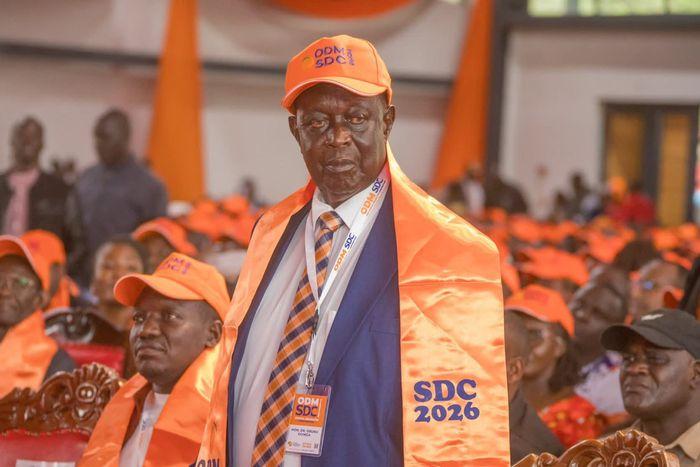
The Orange Democratic Movement (ODM) is facing one of the most turbulent periods in its history following the death of longtime leader Raila Odinga. What was once a party largely held together by Raila’s personal influence is now battling a leadership vacuum, ideological confusion, and open factional warfare.
Recent reporting by Citizen Digital shows a party increasingly divided over succession, strategy, and its relationship with President William Ruto’s government.
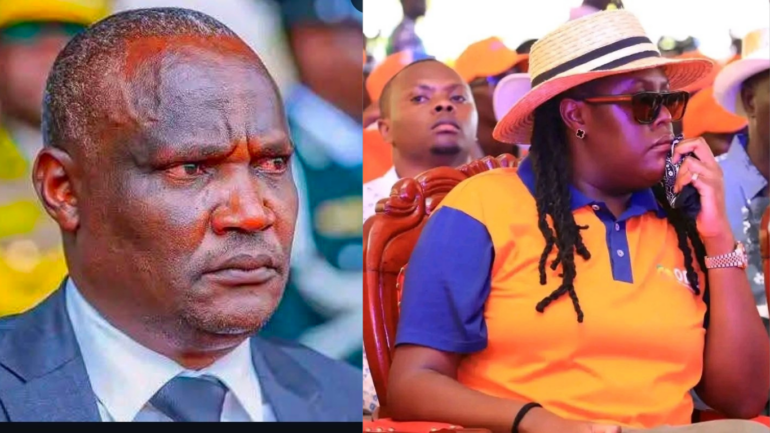
Mbadi vs the Odinga camp: loyalty or ideological split?
Treasury Cabinet Secretary John Mbadi has emerged as one of the most vocal defenders of the current ODM establishment, publicly backing the party’s cooperation with government and defending controversial internal decisions. In a Citizen TV interview, Mbadi justified the removal of Secretary General Edwin Sifuna, arguing that party officials cannot publicly contradict official party resolutions.
Mbadi has also dismissed suggestions that the ODM-UDA relationship is weakening, insisting the partnership remains politically viable through 2027 and beyond. This places him firmly within the faction favoring institutional stability and government cooperation.
However, critics view Mbadi’s position as symbolic of ODM’s identity crisis. For many traditional supporters, ODM was historically defined by opposition politics, reform rhetoric, and anti-establishment positioning. Mbadi’s embrace of a broad-based alliance with UDA has fueled accusations that parts of ODM are becoming too comfortable within government.
This has created a subtle but important tension: while Mbadi is not openly at war with the Odinga family, his alignment with the current leadership and pro-government posture places him at odds with sections of the party still emotionally and politically attached to Raila’s opposition legacy.
The Odinga succession problem
Following Raila’s death, his elder brother Oburu Oginga was officially ratified as ODM party leader during the Special Delegates Convention at Jamhuri Grounds.
But Oburu’s rise has not ended the succession debate—it has intensified it.
His critics argue that ODM risks looking like a family-controlled political vehicle rather than a national institution. While supporters frame Oburu as a continuity candidate meant to stabilize the party, detractors question whether he commands the political charisma, coalition-building ability, or national appeal that made Raila indispensable.
This perception problem is at the heart of ODM’s current instability.
Orengo’s challenge and cracks in Oburu’s authority
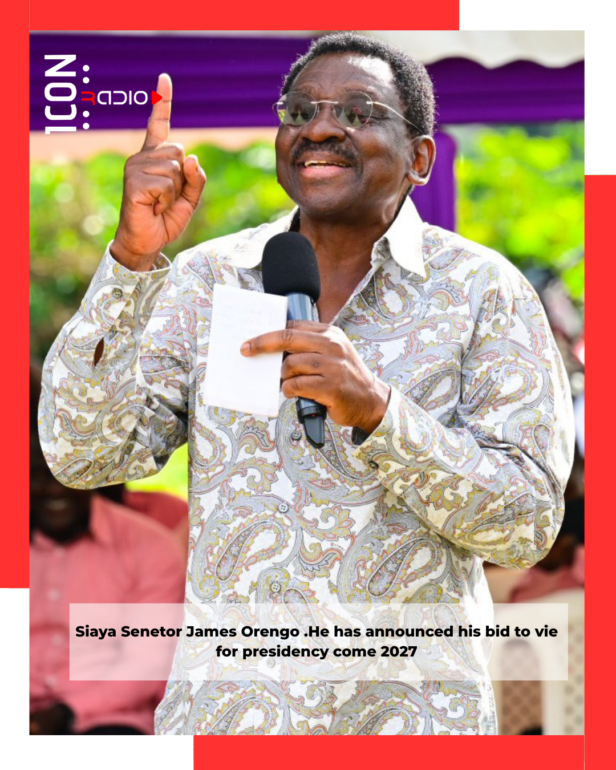
Siaya Governor James Orengo has become one of the clearest public challengers to Oburu’s authority, reportedly questioning his suitability to lead ODM and even declaring himself the rightful party leader. Oburu fired back sharply, dismissing Orengo’s claims and insisting his mandate is legitimate.
The exchange exposed two realities:
- Oburu’s leadership is formally recognized, but politically contested.
- Senior ODM figures are increasingly willing to challenge party hierarchy publicly.
This is a significant shift from the Raila era, when internal dissent was often contained or politically neutralized before escalating.
Perceived limited influence of Oburu
Although Oburu now occupies the party’s top office, many analysts and party insiders perceive him as lacking the mobilization power that Raila had.
His leadership has faced criticism for:
- leaning heavily on party machinery rather than grassroots emotional capital,
- appearing reactive rather than visionary,
- struggling to unify rival camps such as Linda Ground and Linda Mwananchi.
Citizen reporting highlights growing power struggles between these rival factions, reflecting a party no longer united by a singular ideological center.
In practical terms, Oburu may hold the office, but influence within ODM appears more fragmented than consolidated.
The Orengo presidency question
Orengo’s rumored presidential ambitions have added another layer to the conflict.
A longtime constitutional lawyer and former Senate Minority Leader, Orengo has credibility among reformist and opposition-leaning ODM supporters. But his presidency path faces several obstacles:
- ODM is internally divided.
- The party has no clear post-Raila succession consensus.
- Any presidential bid requires national coalition-building beyond Nyanza.
While Orengo commands respect as a political strategist, his confrontational style and open challenge to Oburu may energize his base while simultaneously alienating party loyalists who prioritize unity.
In short: Orengo has political weight, but not yet a clear runway.
Bigger problem: What is ODM now?
ODM’s deepest problem may not be personalities—but identity.
Under Raila, ODM was simultaneously:
- an opposition movement,
- a reform brand,
- and a vehicle for national coalition politics.
Today, the party is wrestling with basic questions:
- Is it government-aligned or opposition?
- Is it institution-led or dynasty-driven?
- Is succession merit-based or symbolic continuity?
Until those questions are resolved, leadership fights involving Mbadi, Oburu, Orengo, and other factions are likely symptoms rather than the disease.
Conclusion
ODM is no longer simply managing a leadership transition—it is confronting an existential test.
John Mbadi represents the pragmatic, government-engagement wing. Oburu symbolizes continuity but faces legitimacy and influence questions. Orengo embodies internal resistance and possible future ambition.
The central issue is whether ODM can evolve beyond the gravitational pull of the Odinga name or whether post-Raila fragmentation will permanently weaken one of Kenya’s most consequential political parties.
Right now, ODM looks less like a party settling succession—and more like a movement trying to rediscover what it stands for after losing its defining center.

About Post Author