music_note


AI EVERYTHING Kenya x GITEX Kenya 2026: Why Africa’s AI Future Will Be Built on Sovereignty, Trust and Infrastructure.
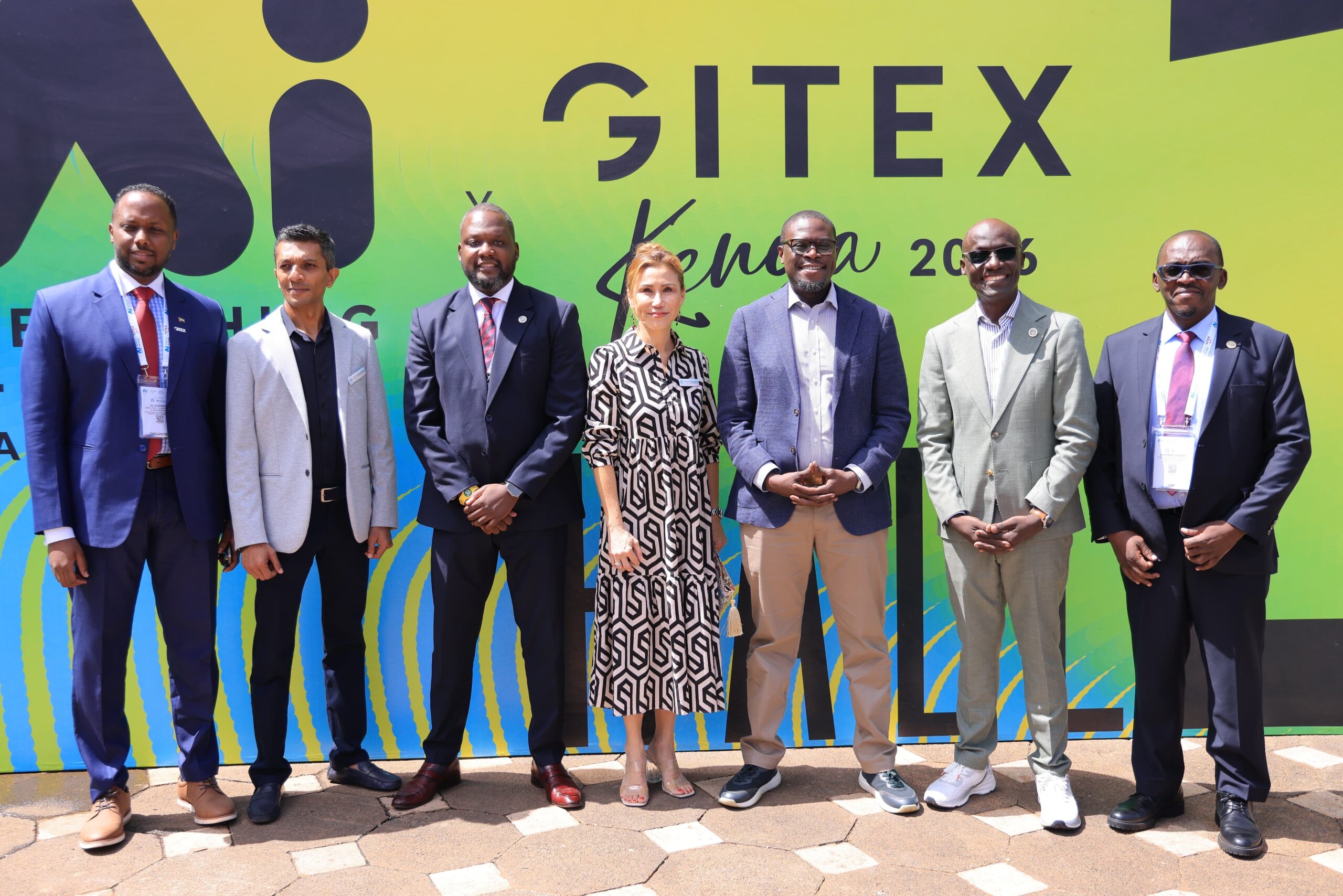
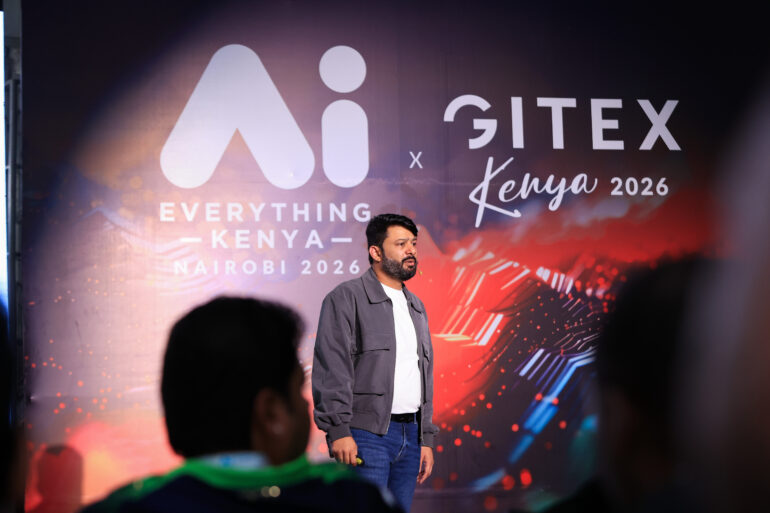
Africa’s AI conversation is rapidly evolving from hype to strategy — and nowhere was that more evident than at the recently concluded AI EVERYTHING KENYA X GITEX KENYA 2026 summit in Nairobi.
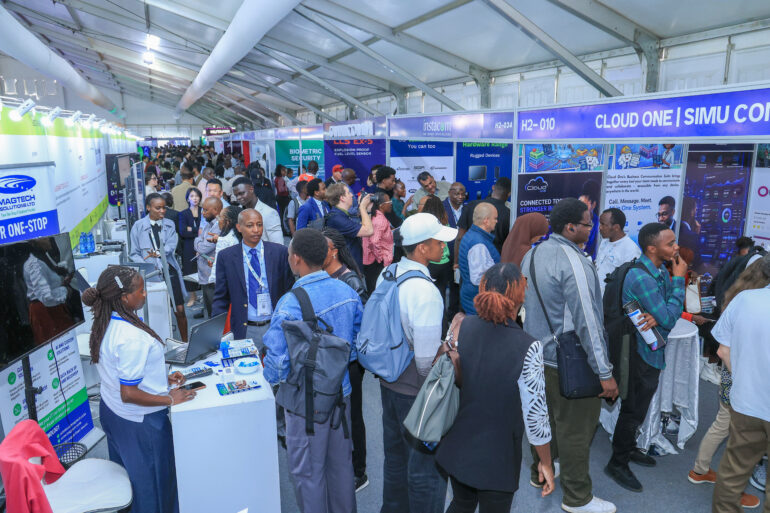
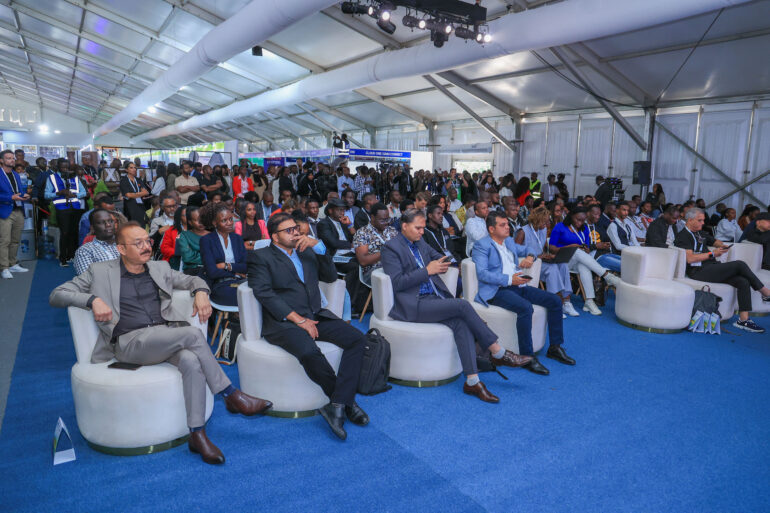
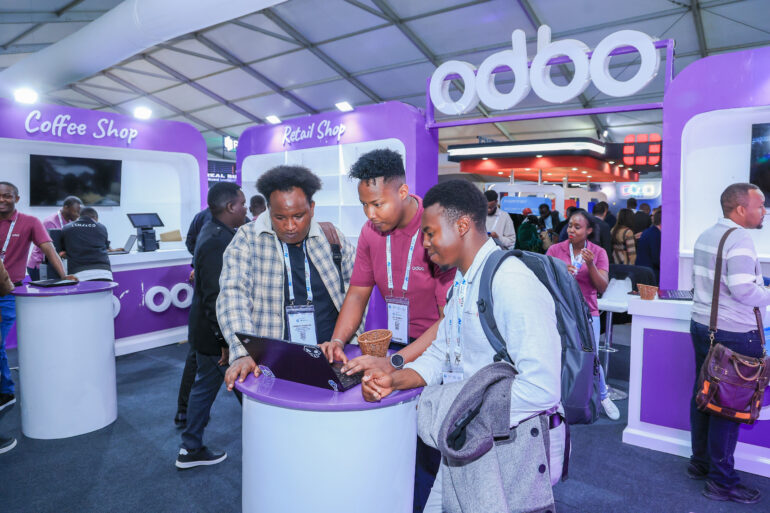
For three days, East Africa became the focal point of global discussions on artificial intelligence, digital infrastructure, startup ecosystems, public trust, and the future of innovation on the continent. Hosted in partnership with Kenya’s Office of the Special Envoy on Technology, the inaugural event attracted thousands of participants from 75 countries, over 280 startups and enterprises, 120 speakers, and investors managing more than US$50 billion in capital.
But beyond the numbers, the summit revealed something deeper: Africa is no longer asking whether it belongs in the global AI economy — it is now asking how it will lead within it.
From AI adoption to AI ownership
One of the clearest themes throughout the summit was the urgent need for Africa to move beyond being a passive consumer of imported technologies.
Discussions increasingly focused on:
- sovereign AI infrastructure,
- African-owned data systems,
- local cloud and compute capacity,
- digital identity frameworks,
- and AI models built around African realities and languages.
As global competition around AI intensifies, African leaders and technology experts argued that digital sovereignty is becoming as important as political and economic sovereignty.
Kenya, in particular, emerged as a strategic player due to its growing data center ecosystem, renewable energy potential, startup culture, and strong digital public infrastructure.
Trust may become Africa’s biggest AI currency
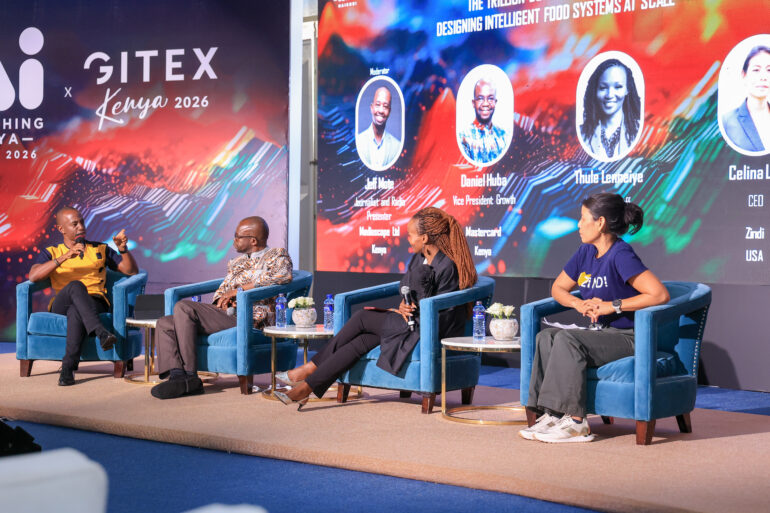
One of the summit’s most impactful conversations centered on rebuilding public trust through intelligent public services.
As governments digitize more services, citizens increasingly judge institutions not by policy statements but by lived digital experiences:
- Is the platform available?
- Is the service transparent?
- Can disputes be resolved fairly?
- Is citizen data protected?
Speakers emphasized that trust in digital systems is not created through slogans, but through reliability, accessibility, and accountability.
In many ways, Africa’s AI future may depend less on technological capability alone and more on whether citizens trust the systems being built around them.
Startups are no longer building for survival — they are building for scale
The summit also highlighted the growing maturity of Africa’s startup ecosystem.
Panels featuring UNDP’s timbuktoo initiative, 500 Global, and regional founders explored how African startups can scale beyond fragmented pilot programs into globally competitive businesses.
The shift is significant.
For years, African innovation ecosystems have often been trapped in:
- grant dependency,
- short-term experimentation,
- and limited commercialization pathways.
Now, conversations are increasingly centered on:
- revenue growth,
- cross-border expansion,
- venture funding,
- intellectual property,
- and sustainable ecosystem building.
The message was clear: Africa’s founders are not short on ideas — they need long-term infrastructure and strategic capital.
Intellectual property: Africa’s overlooked innovation asset
One of the summit’s most important warnings came from the World Intellectual Property Organization (WIPO), which noted that African startups still file remarkably few international patents despite growing innovation activity.
This matters because in the AI economy, ownership is power.
Without intellectual property protection, African innovators risk building solutions whose long-term value is captured elsewhere.
The challenge now is ensuring that African startups do not merely create innovation, but also retain the economic benefits attached to it.
Nairobi’s moment
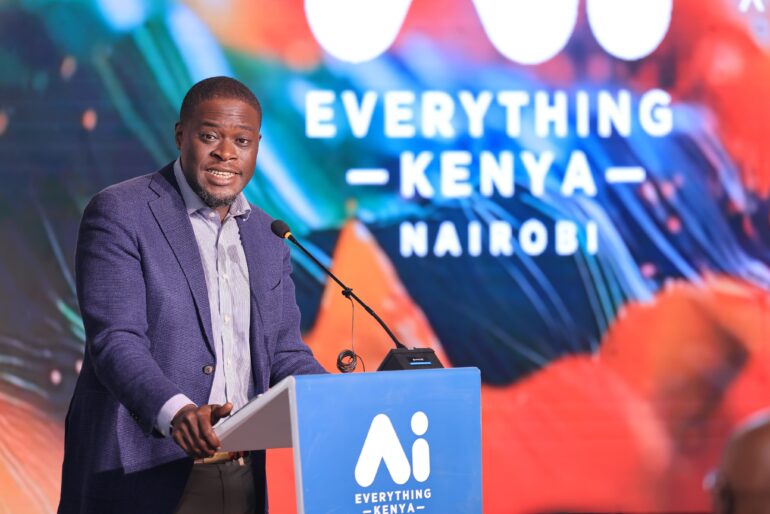
The success of AI EVERYTHING KENYA X GITEX KENYA reinforced Nairobi’s growing reputation as one of Africa’s leading technology capitals.
But more importantly, the summit demonstrated that Africa’s AI ambitions are no longer theoretical.
The continent is actively building:
- infrastructure,
- policy frameworks,
- startup ecosystems,
- investment pipelines,
- and regional collaboration models capable of shaping the next digital era.
The real question is no longer whether Africa will participate in the AI economy.It is whether the continent can build enough sovereign capability, trusted systems, and scalable innovation to influence how the global AI future itself is designed.
About Post Author