music_note


From Stage to State: Why Octopizzo and Kenya’s Young Creatives Joining Politics Could Transform the Entertainment Industry


Written by Edwin Agesa on Sunday, 11 November 2025.
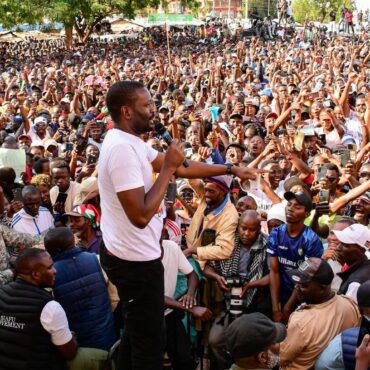
Kenya’s cultural landscape is shifting, and the conversation around rapper Octopizzo’s intention to run for the Kibra parliamentary seat in 2027 has sparked a new debate: could creatives joining politics finally give the entertainment industry the structure and support it desperately needs? For years, Kenyan artists have shaped identity, influenced public opinion, and created national pride through music, film, comedy, fashion, and digital storytelling. Yet, despite their impact, the system supporting the creative sector has remained informal, under-funded, and under-valued. Many creatives have realized that influence alone is not enough real transformation requires policy power, institutional support, and a legislative seat at the table.
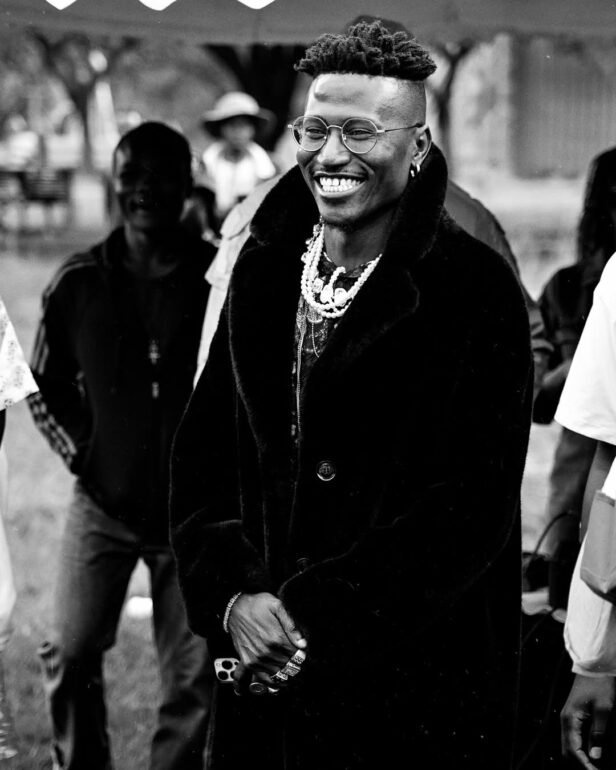
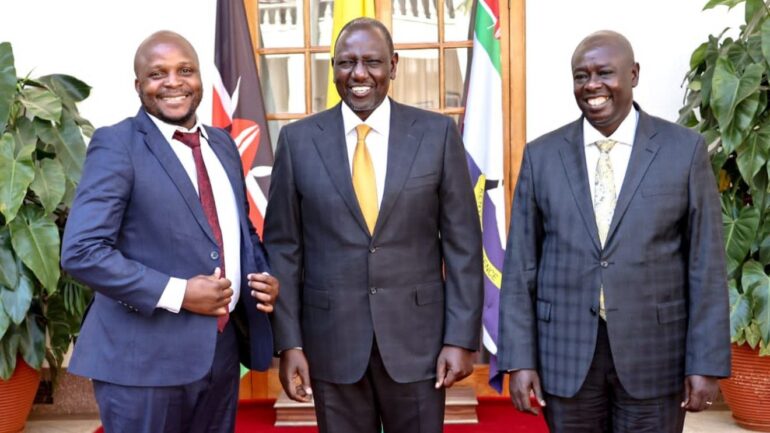
The rise of creatives entering politics isn’t entirely new. Kenya has seen personalities like Jalang’o move from radio and entertainment to represent Lang’ata, and satirist John Kiarie (KJ) transition from comedy stages to parliament, playing a role in policy formation. Regionally, Bobi Wine’s journey from musician to political leader in Uganda demonstrated how cultural voices can push national conversation, mobilize youth, and challenge existing systems. What is different today is the level of consciousness within Kenya’s young creative class. They are no longer satisfied with simply influencing culture; they want to influence law, governance, budgets, and national direction.
For creatives, the political journey comes from lived experience. They understand better than most the pitfalls of Kenya’s creative economy inconsistent earnings, flawed royalty collection, lack of grants and structured funding, limited creative education support, and few policies protecting intellectual property. Artists know firsthand the frustration of trying to thrive in an industry that contributes to national identity but receives minimal institutional backing. That is why someone like Octopizzo stepping into politics resonates with many. Coming from Kibra and building his career from the ground up, he embodies resilience, community investment, and a belief in redefining opportunity from the grassroots level.
If creatives do secure positions of power and bring expertise into parliament, the potential benefits could be substantial. They could push for serious entertainment funding, transparent royalty and copyright systems, youth creative hubs in estates, artistic programs in schools, tax incentives for film and music production, and government-supported festivals, labs, and incubators. It would mean a systematic change a shift from talent surviving on grit and luck to talent flourishing through access and structure. This transformation could position Kenya as a true African creative powerhouse, offering young artists real opportunities without having to leave the country or rely solely on the digital hustle.
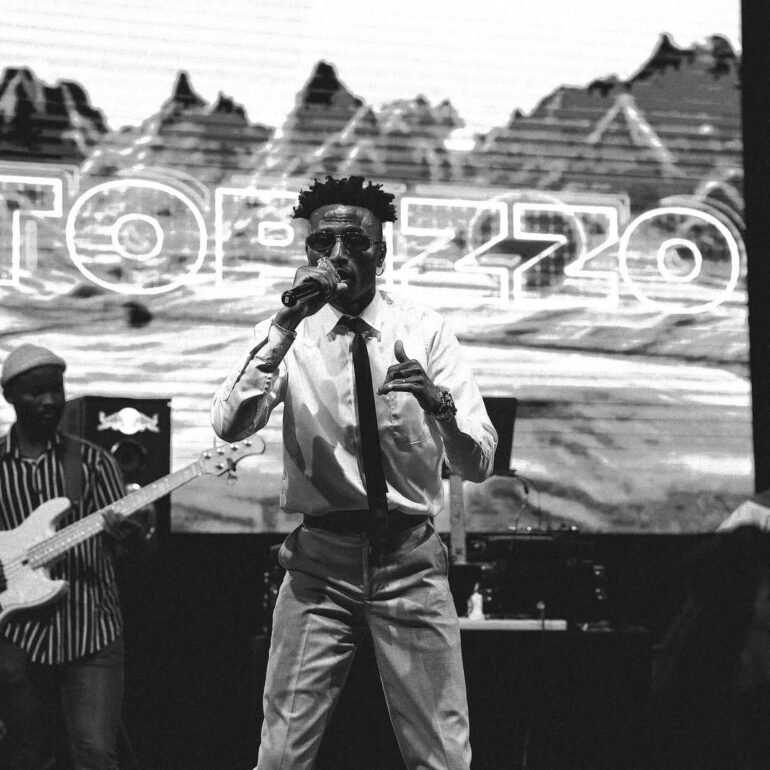
Still, creative success in politics will demand more than influence or fanbases. It requires strong advisory teams, policy depth, strategic planning, and a commitment to long-term governance. Popularity can win attention, but policy skill wins impact. If creatives like Octopizzo step into politics with well-defined agendas and build coalitions that prioritize the creative economy, Kenya could witness an era where cultural capital becomes national development capital.
This moment feels like a turning point. Kenya’s youth are hungry for leaders who understand them, for voices that reflect their struggle and imagination. If artists enter parliament with seriousness, discipline, and vision, the entertainment industry could move from hustle culture to structured opportunity from talent surviving in silos to talent thriving in a supported national ecosystem. In many ways, the ballot box might become the new front line in shaping Kenya’s creative future. And if that future is led by those who have lived the struggle, then perhaps, at long last, the creative sector might get the respect and resources it deserves.

Edwin Agesa AKA Bloga Flani is a music journalist, podcaster and digital creator.

About Post Author