music_note


6 Reasons Why Mainstream Media Interviews are Important for Artists

Mainstream media has been on steady decline ever since digital media started growing rapidly. This growth has seen mainstream media get treated like fossils with artists avoiding being on the platforms they provide.
Bloga Flani observes that this might be the new shift in media but the OG platforms still have an important role to play in the growth of artists in Kenya. Here is a deep dive into the 6 reasons why mainstream media is still important to an artist’s growth.
1. Credibility & Legitimacy
Appearing on major platforms like Citizen TV, NTV, KTN, or Radio Africa brands an artist as credible and serious. It signals to the public, brands, and promoters that the artist is no longer “just online,” but part of the national conversation.
2. Massive Reach
Mainstream outlets in Kenya reach millions through TV, radio, and their digital arms. Even a 5-minute appearance can:
-
Introduce an artist to new fans across the country
-
Drive traffic to their music or social platforms
-
Increase bookings and streaming numbers
3. Cultural Relevance
Mainstream interviews show that an artist is part of Kenya’s current cultural wave. It’s not just about exposure—it’s about being included in national discourse alongside politicians, athletes, and thought leaders.
4. Brand Partnerships & Sponsorships
Many Kenyan brands still rely on mainstream media to scout talent for campaigns. Artists with mainstream visibility are seen as “safe bets” for brand ambassadors, endorsements, and gigs.
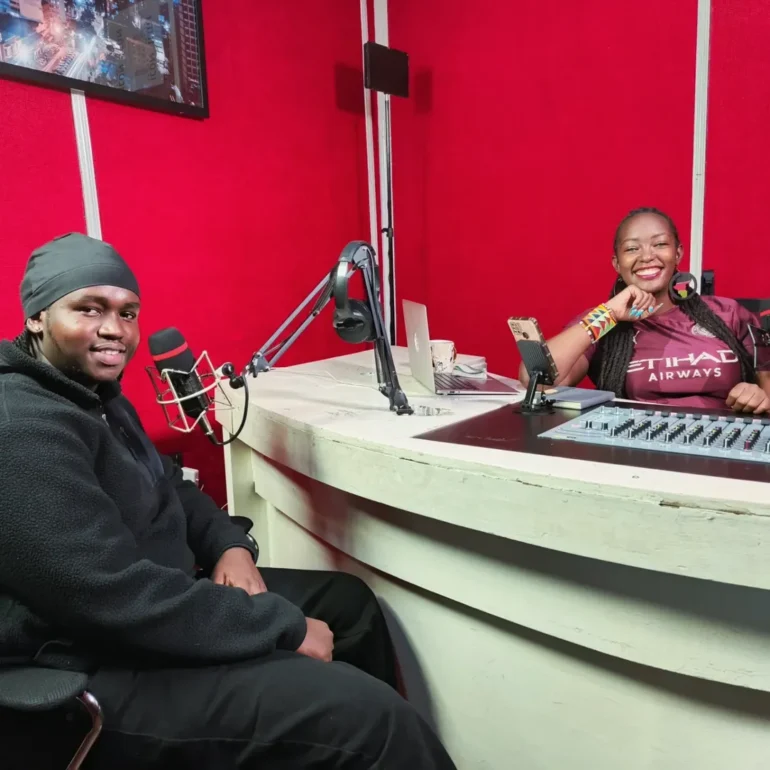
5. Narrative Control
Artists can use interviews to:
-
Share their personal story, not just their music
-
Clarify rumors
-
Set the tone for how they want to be perceived
This is crucial in Kenya where gossip and hearsay can quickly spiral.
6. Bridges the Urban-Rural Divide
Digital platforms often concentrate around urban audiences. Mainstream media helps artists connect with rural and older audiences who might not be on YouTube or TikTok.
Real-World Example:
When Bien or Nikita Kering’ do interviews on Citizen TV or BBC Africa, it boosts their perceived stature—not just as musicians, but as voices of influence.
About Post Author